Review: 3D Multi Layer Christmas Shadow Box Design
As a designer who spends more time at the hoop than away from it, I approach every new machine embroidery design with a critical eye. It is not just about whether the image looks cute on a screen; it is about how that embroidery file translates into thread, tension, and texture on actual fabric. Recently, I evaluated the 3D Multi Layer Christmas Shadow Box to see if it holds up for real-world production, specifically for small business owners and crafters looking to elevate their holiday offerings.
First Impressions and Visual Personality
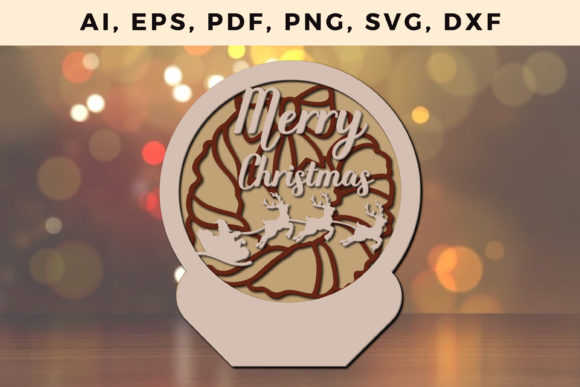
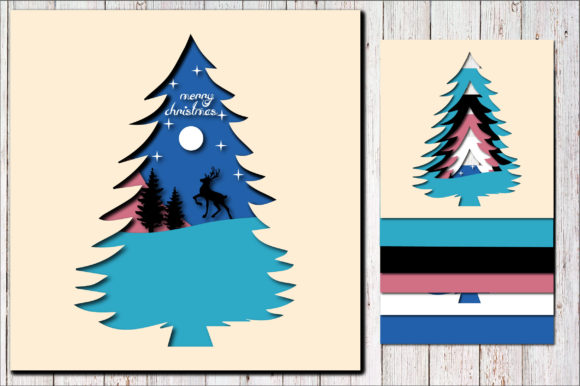
When I first pulled up the files for the 3D Multi Layer Christmas Shadow Box, the immediate takeaway was the depth potential. Unlike flat vector graphics that rely solely on color fills, this 3D SVG structure suggests a layered approach that mimics the popular paper shadow box trend but adapts it for stitching. The mood is nostalgic yet modern, capturing the cozy essence of Christmas without feeling dated. The layout appears balanced, with a central focal point surrounded by framing elements that naturally guide the eye. For an embroidery project, this kind of visual hierarchy is crucial because it tells the machine where to prioritize density and where to allow the fabric to breathe.
Real-World Application: The Holiday Tote Scenario
To truly test the viability of this design, I imagined a specific client request: a limited run of heavy-canvas tote bags for a local boutique's holiday gift guide. This is a common scenario for many Etsy sellers and small shop product creators. The 3D Multi Layer Christmas Shadow Box fits this application perfectly. On a sturdy canvas, the layered elements would create a tactile experience that customers love to touch.
If executed with a combination of satin stitch borders and dense fill stitch centers, the design would pop against the neutral background of the bag. The "shadow" effect implied by the title suggests using varying thread tones to create dimension, which adds significant perceived value to the handmade product. A customer is far more likely to pay a premium for a tote that looks like a piece of art rather than a simple logo print. This design bridges the gap between a personalized gift and a boutique-grade accessory.
Versatility Across Custom Apparel and Decor
Beyond tote bags, this design shows promise for custom apparel. Imagine it centered on the chest of a heavyweight fleece sweatshirt embroidery project. The layers could be simplified for wearability, perhaps focusing on the main icon while using the outer layers as a subtle frame. It would also work beautifully as an embroidered patch. By saturating the background with a tight fill stitch and finishing with a merrowed edge, the 3D Multi Layer Christmas Shadow Box becomes a standalone badge that can be ironed onto jackets or hats.
For home decor enthusiasts, this holiday embroidery motif is ideal for pillow covers or tea towels. However, the approach changes slightly. On a tea towel, you might opt for lighter thread colors and less density to maintain the drape of the linen. On a velvet pillow cover, the design offers a chance to play with fabric texture, letting the sheen of the thread contrast with the matte pile of the velvet.
Critical Considerations for Stitching Success
While the aesthetic appeal is high, practical execution requires caution. The term "multi-layer" in a digital file does not always translate seamlessly to a single hooping session without careful planning. When working with the 3D Multi Layer Christmas Shadow Box, one must consider the stitch density. If the layers overlap significantly in the digitized version, the needle penetration could become excessive, leading to puckering or bird nests, especially on stretchy fabrics.
For those attempting this on baby embroidery items like onesies, extreme care is needed. Babies have sensitive skin, and a dense, multi-layered design can feel scratchy or stiff. In this case, I would recommend simplifying the inner layers or using a softer running stitch for details to reduce bulk. Similarly, if you are stitching on a curved surface like a cap, the alignment of these layers becomes tricky. The distortion inherent in cap framing might misalign the "shadow" effects, ruining the 3D illusion.
Furthermore, dark fabrics present a challenge. If the design relies on negative space or light threads to create the shadow effect, stitching it directly onto black navy fabric might require a white underlay or a backing fabric to prevent the base color from muting the vibrancy of the thread colors.
Enhancing Brand Value and Customer Trust
From a business perspective, the quality of your finished product directly impacts buyer engagement. Using a sophisticated design like the 3D Multi Layer Christmas Shadow Box signals professionalism. It shows that you are not just slapping a generic clipart image onto a shirt; you are curating design assets that offer depth and story. This attention to detail builds customer trust. When a client receives an item where the layers align perfectly and the stitching is crisp, they associate that quality with your brand. This is essential for commercial embroidery ventures where reputation is everything.
Additionally, for digital product sellers who create printable mockups, this design offers excellent visual interest. The layered nature allows for realistic shadow casting in Photoshop or Canva, making your listings look more tangible and appealing to potential buyers browsing online marketplaces.
Practical Designer Notes and Testing Protocol
Before committing to a full production run, I strongly advise following a strict testing protocol. First, always stitch out the 3D Multi Layer Christmas Shadow Box on a scrap piece of the exact fabric you intend to use. Fabric behavior varies wildly; what works on cotton may fail on polyester blends. Check the registration of the layers. Do they line up, or is there a noticeable shift?
Pay close attention to the hoop size required. Complex, multi-layered designs often need a larger hoop to ensure stability during the long stitch count. Ensure your machine and frame can accommodate this. Regarding stabilizer, do not skimp. A cut-away stabilizer is usually safer for multi-layer designs to prevent distortion over time, especially if the finished product will be washed frequently.
It is also wise to view the design in black and white on your screen before stitching. This helps you identify if the contrast between layers is sufficient. If the layers blend together visually, the 3D effect is lost. Finally, verify the licensing terms provided with the SVG Ai PNG files. The product description mentions original images without watermarks, but you must confirm if the license permits unlimited commercial embroidery sales or if there are restrictions on the number of physical items you can produce.
Final Verdict for Makers and Entrepreneurs
The 3D Multi Layer Christmas Shadow Box is a compelling asset for the creative entrepreneur. It moves beyond standard flat imagery, offering a textural richness that elevates custom apparel and home goods. While it demands a higher level of technical skill regarding tension management and layer alignment, the payoff in visual impact is substantial. Whether you are creating a personalized gift for a family member or stocking inventory for a holiday craft fair, this design provides the sophistication needed to stand out in a crowded market. Just remember: test thoroughly, respect the fabric, and let the layers do the talking.