Review: Scrolling Vine Paper Star Template for Holiday Crafts
As a designer who spends more time staring at stitch maps than most people care to admit, I approach every new machine embroidery design with a mix of curiosity and skepticism. We all know the feeling: you download a file that looks stunning on the screen, only to find it turns into a bird's nest of thread once it hits the fabric. That is why I took a close look at the Scrolling Vine Paper Star Template. While this product is marketed primarily as a 3D SVG for paper crafting, my mind immediately went to how these intricate lines could translate into a tangible, stitched handmade product for the upcoming Christmas season.
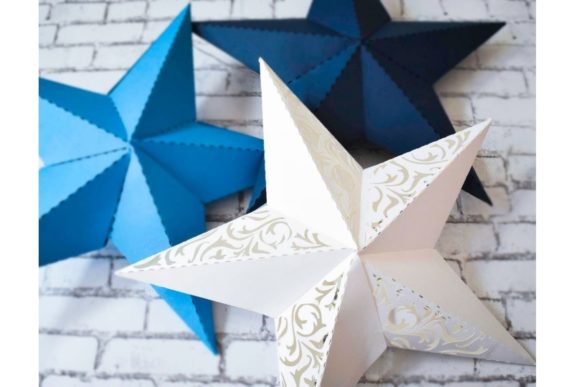
The first impression of this design is one of delicate elegance. The scrolling vines wrapping around the star shape create a mood that is both vintage and festive without being overly loud. In the world of embroidery project planning, visual personality matters just as much as technical execution. This layout suggests a high level of detail, which is fantastic for items meant to be admired up close. However, for us embroidery professionals, beauty is nothing without stability. The question isn't just "does it look good?" but "will it stitch out cleanly on a textured towel or a stretchy sweatshirt?"
Translating Paper Templates into Stitched Reality
Let's get into a real-world scenario. Imagine you are preparing a custom order for a boutique client who wants a set of holiday kitchen towels. They want something unique, not the generic snowflakes found in every big-box store. The Scrolling Vine Paper Star Template offers a sophisticated alternative. If you were to adapt the vector lines from the included SVG file or DXF file into an applique design or a dense fill stitch pattern, the result could be breathtaking.
However, there is a catch. This template was originally designed for paper assembly, meaning the lines are intended to be cut and folded, not necessarily stitched with thread. To use this effectively as a digital embroidery file, you would need to digitize it yourself or ensure your software can convert those clean vector paths into appropriate stitch types. A satin stitch might work beautifully for the thicker vine sections, giving them a lustrous, raised feel, while a fine running stitch could capture the delicate tendrils. The key here is stitch density. Paper doesn't pucker; fabric does. If you attempt to fill every nook of this design without adjusting the density, you risk creating a stiff, cardboard-like patch on your tote bag design or sweatshirt embroidery.
Ideal Applications for Small Business Owners
For Etsy sellers and craft business owners, versatility is king. This design shines when applied to stable, woven fabrics. Think linen napkins, cotton aprons, or structured pillow covers. In these contexts, the Scrolling Vine Paper Star Template adds a layer of professionalism that boosts brand consistency and customer trust. When a buyer receives a personalized gift with such refined detailing, it signals that care was taken in the creation process.
I can easily see this working as a central motif on a holiday table runner. The star shape provides a strong focal point, while the vines soften the geometry, making it suitable for both traditional and modern home decor. For those selling small shop products, using this design on a limited run of embroidered patches could be a smart move. Patches allow you to test the design on a small scale before committing to a large garment. Plus, patches are highly popular right now as add-on items to increase average order value.
If you are a digital product seller, the included PNG image and EPS file are valuable assets for creating printable mockups. You can showcase how this design would look on various backgrounds without ever threading a needle, helping customers visualize the finished product. This is crucial for buyer engagement in an online marketplace where tactile experience is missing.
Navigating Technical Challenges and Fabric Choices
Now, let's talk about where you need to exercise caution. Not every fabric is a friend to complex designs. If you are considering this for baby embroidery, remember that infant skin is sensitive, and bulky stitching can be uncomfortable. On stretchy fabrics like jersey knits used for t-shirts, the intricate corners of the star and the thin vine details are prone to distortion. Without the right stabilizer, those sharp points might round off, losing the crisp definition that makes the design special.
Curved surfaces present another hurdle. Attempting this on a cap is possible but risky. The front panel of a hat is small, and the curvature can cause registration issues with long runs of stitching. If the hoop size required for the full star exceeds the available area on the cap, you might have to scale it down, which could compromise the visibility of the smaller vine details. Similarly, on dark fabrics, you must carefully select your thread colors. A light thread on dark material requires excellent coverage to prevent the background from showing through, which often means increasing stitch count and potentially altering the drape of the fabric.
Washability is another critical factor for commercial embroidery projects. Items like kitchen towels and aprons undergo frequent laundering. Dense areas of stitching, if not properly secured or if the underlay is insufficient, can lead to fraying over time. Before promising a client a durable holiday embroidery piece, you must test the design on scrap fabric that matches the final material. Run it through the wash and dry cycle to see how the threads hold up.
Designer Notes for Professional Results
To truly make the Scrolling Vine Paper Star Template work for your custom apparel or decor lines, follow these practical steps:
- Test on Scraps First: Never run a new design on a final product without a trial. Check for puckering and thread breaks.
- Check Contrast: View your digitized version in black and white mockups to ensure the details stand out regardless of color choice.
- Stabilizer Selection: Use a cut-away stabilizer for stretchy fabrics and tear-away for stable wovens to support the intricate vine work.
- Verify Licensing: The product description mentions assembly instructions and vector files, but always confirm the license terms before selling finished items or modified digital assets.
- Inspect Small Details: Zoom in on the digitized file to ensure tiny corners aren't too tight for your machine's needle to navigate.
It is also important to note what is explicitly included in the download. You will receive a ZIP file containing the template in SVG, DXF, PNG, and EPS formats, along with assembly instructions. There is no mention of pre-digitized embroidery formats like PES or DST. This means if you want to stitch this out, you are likely looking at a digitizing project or using software to convert the vectors. This is actually a benefit for experienced designers, as it allows you to control the stitch density and type specifically for your chosen fabric, rather than relying on a generic auto-digitized file.
In conclusion, the Scrolling Vine Paper Star Template is a versatile asset that bridges the gap between paper crafting and textile art. For the creative entrepreneur willing to put in the technical groundwork, it offers a pathway to creating unique, high-value Christmas gifts and merchandise. Whether you are decorating a pillow cover, branding a line of tote bags, or creating digital previews for your shop, this design has the potential to elevate your work. Just remember: the difference between a good product and a great one often lies in the preparation. Respect the materials, understand the limitations of the medium, and let the elegance of the scrolling vines do the rest.