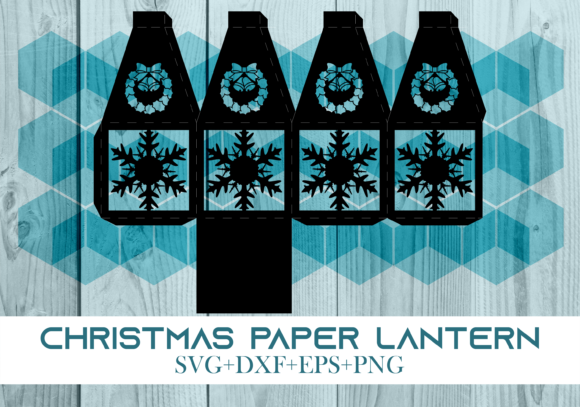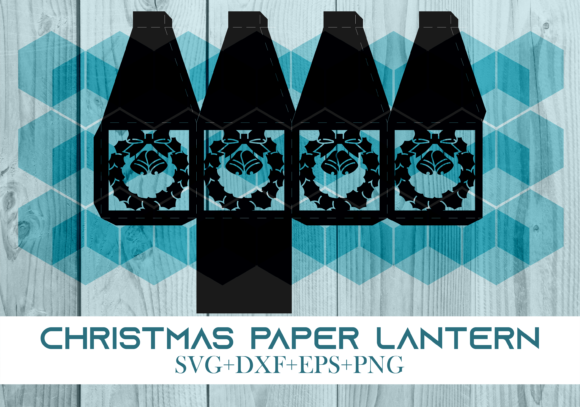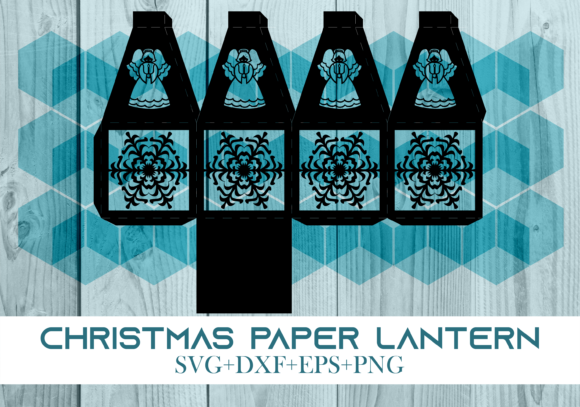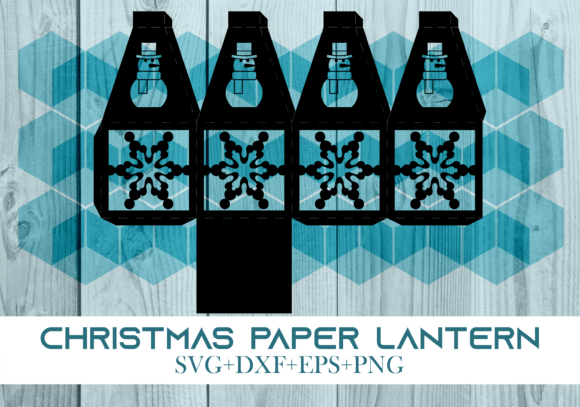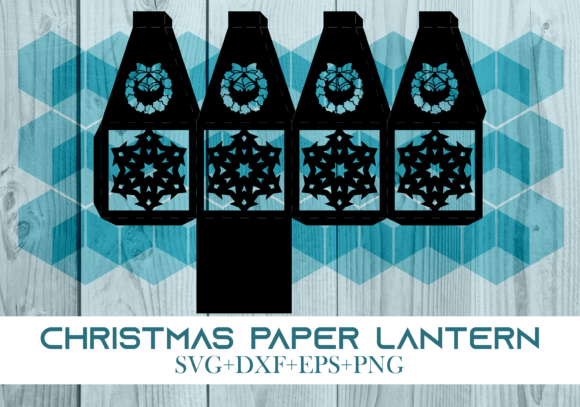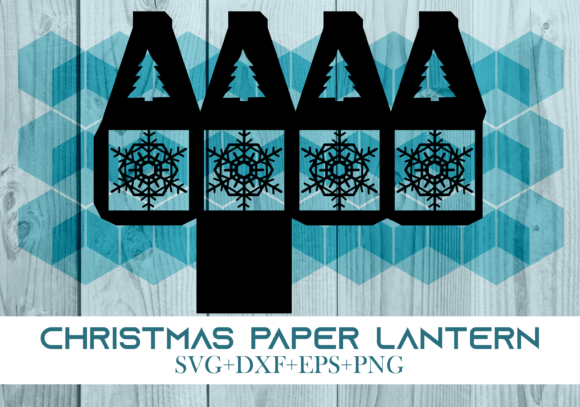
Reviewing Christmas Paper Lantern Series 0103 for Holiday Projects
As a designer who spends more time staring at stitch maps than most people spend looking at actual art, I approach every new machine embroidery design with a mix of excitement and skepticism. We have all been there: you download a file that looks stunning on the screen, only to find it turns into a bird's nest of thread breaks and puckering once it hits the hoop. Today, I am taking a close look at Christmas Paper Lantern Series 0103. This isn't just a quick glance at the preview image; this is an evaluation of how this specific asset holds up when you are trying to create a tangible, sellable handmade product for the holiday rush.
The first thing that strikes me about Christmas Paper Lantern Series 0103 is its inherent mood. There is a delicate balance required when designing for the holidays. You want festive without being cluttered, and traditional without feeling dated. This design captures the whimsical nature of paper crafts but translates it into a format ready for fabric. The visual personality suggests warmth and nostalgia, making it an ideal candidate for holiday embroidery projects that aim to evoke cozy winter evenings. However, because the source concept is a "paper lantern," we need to talk about how those crisp, geometric lines translate to the organic texture of fabric.
Real-World Application: The Boutique Tote Bag Scenario
To truly test the viability of this design, let's walk through a realistic scenario. Imagine you are an Etsy seller preparing a limited run of canvas tote bags for a local craft fair. You need a tote bag design that stands out on a crowded table but is durable enough for customers to actually use. Christmas Paper Lantern Series 0103 fits this bill beautifully, provided you manage your materials correctly.
In this scenario, the lantern motif works exceptionally well as a central focal point. Unlike dense, heavy logos that can make a bag stiff and uncomfortable, a lantern design often incorporates open spaces or lighter fill areas that allow the natural texture of the canvas to breathe. When stitched onto a natural or cream-colored canvas, the design creates a sophisticated, boutique look rather than a cheap souvenir vibe. For a small shop product, this distinction is vital. It elevates the perceived value of the item, allowing you to price it higher than a standard generic holiday bag.
Furthermore, this design translates well to sweatshirt embroidery. If you are creating custom apparel for a family reunion or a corporate holiday party, the clean lines of the lantern series prevent the design from becoming a blurry mess on fleece or French terry cloth. The key here is ensuring your stitch density is appropriate for the garment weight. Since this is described as a 3D SVG originally intended for paper crafting, adapting it for fabric requires careful attention to how the layers interact. You aren't folding paper; you are layering thread.
Technical Considerations for Embroidery Professionals
While the aesthetic appeal is high, a professional reviewer must address the technical hurdles. The description notes that the original lantern fits on an 8.5 x 11.7 sheet. This gives us a good idea of the aspect ratio, but when converting this to an embroidery file, we must be wary of scale.
One major consideration is the hoop size. If you attempt to shrink this design down for a baby onesie or a cap, you risk losing the intricate details that define the "lantern" structure. Tiny corners and fine lines can easily get lost if the running stitch or satin stitch elements are too small for the needle to penetrate cleanly. I strongly advise testing the design on scrap fabric at your intended size before committing to a final finished product. Check specifically for pull compensation; if the design has long spans of satin stitch, they may need underlay adjustments to prevent gaping on stretchy fabrics.
Fabric choice is another critical factor. This design likely shines on stable, woven materials like linen, cotton twill, or denim. On textured fabrics like heavy wool or looped towels, the definition of the lantern shape might soften. If you are aiming for a personalized gift like a kitchen towel, ensure you use a cut-away stabilizer to support the design through multiple washes. A tear-away stabilizer might leave the edges vulnerable to fraying over time, which hurts the longevity of your craft business reputation.
Navigating Dark Fabrics and Color Contrast
A common pitfall in commercial embroidery is assuming a design will pop on any background. Christmas Paper Lantern Series 0103 relies on its shape and potentially internal detailing. If you are stitching this onto a dark navy or black velvet holiday pillow cover, standard red or green threads might not provide enough contrast.
In these cases, consider using metallic threads or high-sheen rayon to mimic the glow of a real lantern. Alternatively, this design could be adapted as an applique design. By cutting the lantern shape from a contrasting fabric and stitching it down, you solve the color contrast issue while adding a tactile dimension that customers love. This approach also reduces stitch count, which can speed up production time—a crucial metric for any creative entrepreneur during the busy season.
Building Trust and Brand Consistency
Ultimately, the success of using Christmas Paper Lantern Series 0103 in your lineup comes down to how it affects your brand perception. In the world of digital embroidery file usage, consistency is king. If your shop specializes in rustic, handmade goods, this lantern fits perfectly. If your brand is ultra-modern and minimalist, you might need to tweak the thread colors to match your palette strictly.
Using high-quality designs like this builds customer trust. When a buyer receives a product where the stitching is crisp, the alignment is perfect, and the design choice feels intentional, they are more likely to return. It signals professionalism. Whether you are selling design assets to other makers or selling the physical embroidered patch or garment yourself, the quality of the source art dictates the quality of the output.
Before you list this as part of your inventory, double-check the licensing terms. Just because a file is available for download doesn't automatically grant commercial rights for mass production. Ensure you are compliant if you plan to sell hundreds of units. Additionally, since the original format is a 3D SVG for paper, verify that the digitized version you are using has been properly optimized for thread. Paper cuts do not have underlay stitches or pull compensation; fabric absolutely does.
In conclusion, Christmas Paper Lantern Series 0103 offers a charming, versatile option for the holiday season. It bridges the gap between traditional paper crafts and modern textile art. With the right preparation—testing on scraps, choosing the correct stabilizer, and respecting the limits of your hoop size—it can become a staple in your custom apparel or home decor collection. It is a reminder that great embroidery isn't just about the machine; it's about the designer's ability to foresee how a digital concept will live and breathe on fabric.